
DECATUR, Ill. – When Millikin University Assistant Professor of English/Creative Writing Dr. Rebecca Orchard looked out at her college classroom a few years ago, she noticed something unsettling: her students were physically present, but mentally elsewhere.
“They were here in the room, but their brains were living inside their phones,” Orchard recalled.
That moment became the seed for “Are You Paying Attention?,” a five-episode digital web series written and hosted by Orchard, and produced in partnership with PBS that examines how the modern “attention economy” shapes individual lives, creativity, relationships, and democracy itself.
Orchard’s interest in the topic did not begin as a formal research project. Instead, it emerged organically from her teaching experience while previously working at the University of South Florida. Conversations with students about screen time revealed startling realities, including one student who reported spending nearly 40 hours in a single week on Snapchat alone.
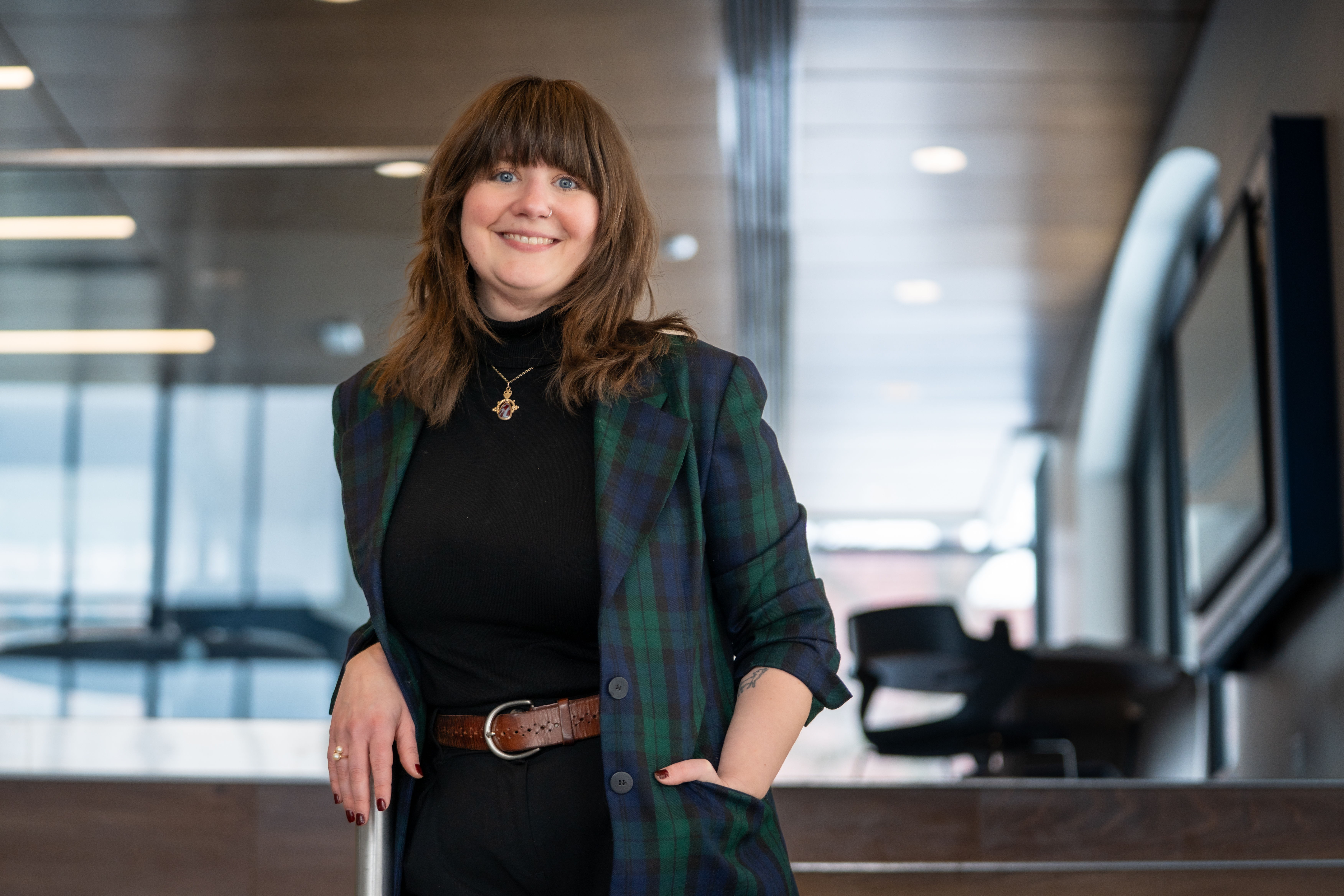
“How are you getting your work done?” Orchard remembers asking her class. “They’re balancing full course loads, jobs, clubs, and social lives—on top of six to nine hours a day on their devices. I genuinely didn’t know how they were doing it.”
Driven by curiosity and concern, Orchard spent nearly two years immersing herself in research on distraction, attention, and digital design before being approached by PBS to pitch a short-form video series. The result was "Are You Paying Attention?," a five-part exploration of how attention has become a monetized resource in the digital age.
The series begins by introducing the concept of the attention economy, explaining how digital platforms compete for and monetize human focus through surveillance capitalism and algorithmic design. Episode 2 explores how social media features such as feeds, likes, and online personas fragment identity and contribute to loneliness and alienation. The topics of distraction, multitasking, and the cognitive costs of constant interruption, particularly for learning, memory, and creativity, are featured in Episode 3. Episode 4 widens the lens to society, connecting fractured attention to political polarization, misinformation, and the erosion of empathy and shared reality. Episode 5 offers reflection and practical strategies, encouraging viewers to assess their relationship with technology and reclaim attention in ways aligned with their values.
Although initially a little camera shy, Orchard approached hosting the series the same way she approaches teaching: as a conversation with students.
“Once I thought about it as teaching instead of performing, it felt more natural,” she said.
That teaching philosophy extends into her classroom at Millikin, where Orchard enforces a phone-free environment and emphasizes handwritten work and physical texts whenever possible. Research cited in the series shows that even a silent phone on a desk can significantly impair focus.
As a creative writer, Orchard also sees a deep connection between attention and artistic work. She protects her own writing time by working early in the morning, before digital distractions arrive.
“Creativity happens when your brain isn’t flooded,” she said. “Quiet matters.”
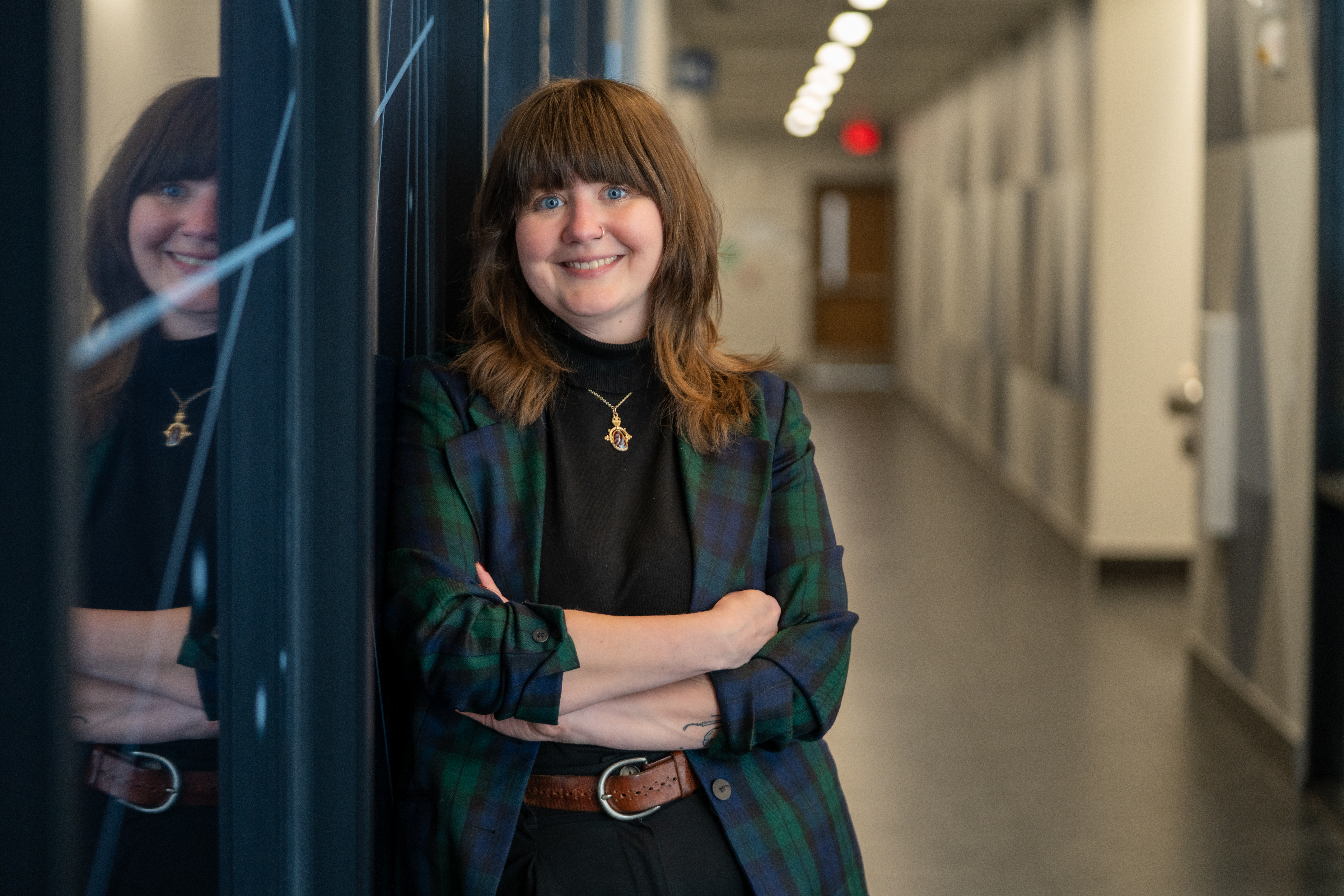
While the final episode includes individual strategies for managing technology, Orchard is careful to emphasize that the attention crisis is not simply a matter of personal willpower.
“I don’t actually believe this is just a personal responsibility issue,” she said. “It’s more like environmental regulation. Individual choices matter, but they’re tiny compared to what ethical software design and policy could accomplish.”
Throughout the series, Orchard underscores that digital platforms are shaped by design decisions and that different choices could lead to healthier outcomes.
“Things could be different,” she said. “There are ethics embedded in these systems, whether we acknowledge them or not.”
Orchard hopes the series will spark reflection among students, faculty, and the broader community about how attention is spent and what is lost when it is constantly fragmented.
“My biggest worry is that constant distraction starts to feel normal,” she said. “I want people to know that it’s okay to feel like something is off and to realize that we can imagine better ways of living with technology.”
"Are You Paying Attention?" is available through PBS’s digital platforms and YouTube.


